

General News
What is DMT: Effects, Experience, Benefits, and Risks
Apr
What Is DMT? The Complete Guide to N,N-Dimethyltryptamine
DMT (N,N-Dimethyltryptamine) is one of the most powerful psychedelic compounds known to science. Naturally occurring in plants, animals, and even the human body, this tryptamine alkaloid produces profound alterations in consciousness that have fascinated researchers, spiritual seekers, and psychonauts for decades. Whether encountered through traditional ayahuasca ceremonies, vaporized as pure crystalline freebase, or delivered through modern DMT vape pens, DMT offers an experience unlike any other substance on Earth.
This comprehensive guide explores what DMT is, how it works in the brain, its various forms and methods of consumption, the full spectrum of effects, safety considerations, legal status, and how it compares to other psychedelics like psilocybin and LSD. Whether you are researching for academic purposes, personal curiosity, or harm-reduction education, this article provides the factual, evidence-based information you need.
Introduction to DMT
DMT, or N,N-Dimethyltryptamine, is a naturally occurring hallucinogen found in various plants, animals, and even within the human body. It belongs to the tryptamine class of compounds, sharing structural similarities with serotonin, melatonin, and psilocybin. Its molecular formula is C12H16N2, featuring an indole ring system with two methyl groups attached to the nitrogen atom of the ethylamine side chain.
Traditionally, DMT has been used in spiritual and shamanic rituals for thousands of years, most notably in the South American brew known as ayahuasca—a ceremonial tea combining DMT-containing plants with MAO-inhibiting vines that allow the compound to become orally active. Over time, DMT has become increasingly popular in Western societies, often smoked or vaporized to experience its quick and dramatic effects.
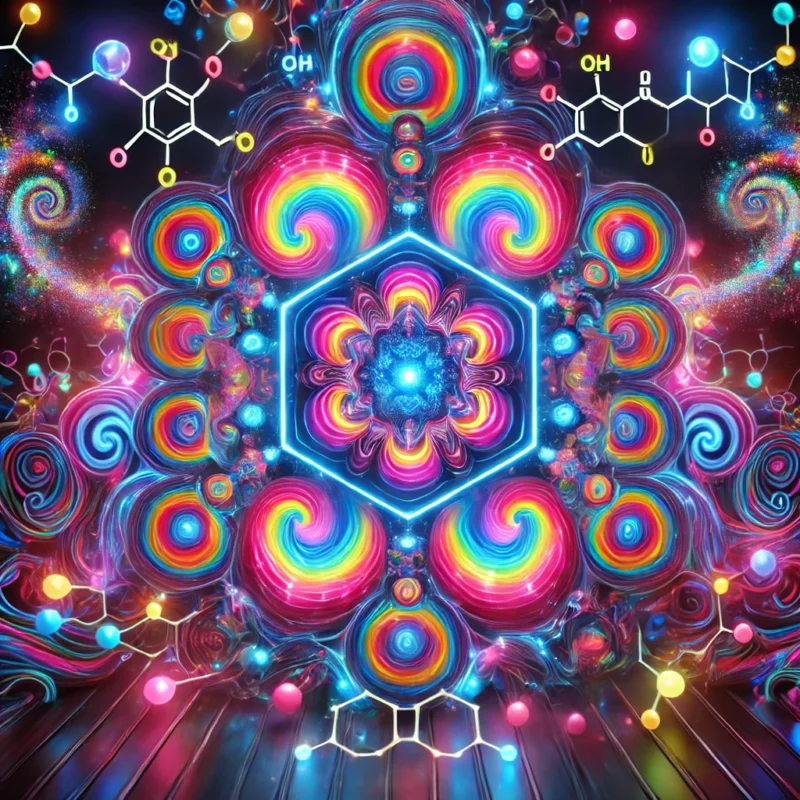
DMT’s structure closely resembles serotonin, a critical neurotransmitter that affects mood, cognition, and perception. This similarity allows DMT to bind powerfully to serotonin receptors, triggering unique psychological and perceptual experiences that users often describe as mystical, otherworldly, or transcendent. In modern culture, DMT is commonly associated with its ability to produce “out-of-body” experiences, vivid visual hallucinations, and encounters with seemingly autonomous entities.
For a deeper exploration of DMT’s therapeutic potential, read our article on DMT in mental health treatment. If you are curious about how DMT compares to its close chemical cousin, visit our guide on DMT vs. 5-MeO-DMT.
How Does DMT Work?
DMT’s effects begin almost instantaneously when inhaled or vaporized—typically within 5 to 30 seconds. Its action on the brain involves binding to serotonin receptors, particularly the 5-HT2A receptor, which is the primary mediator of classic psychedelic effects. This receptor activation leads to altered perceptions, disrupted default mode network activity, and profound shifts in consciousness. Dimethyltryptamine effects
Key neurological mechanisms:
- 5-HT2A receptor agonism – DMT binds to and activates serotonin 2A receptors throughout the cortex, producing the characteristic hallucinogenic effects
- Default mode network disruption – The DMN, responsible for self-referential thinking and ego maintenance, becomes significantly less active, enabling ego dissolution
- Increased neural connectivity – Brain regions that normally do not communicate begin sharing information, producing synesthesia and novel thought patterns
- Visual cortex hyperactivation – Enhanced activity in visual processing areas creates the intricate geometric patterns and vivid imagery
- Sigma-1 receptor interaction – May contribute to DMT’s unique subjective quality and potential neuroprotective effects
The experiences range from seeing intricate geometric patterns to encountering strange entities or beings that users describe as intelligent, autonomous, and communicative. The rapid onset and short duration have earned DMT the nickname “the businessman’s trip”—a reference to the ability to experience profound alterations in consciousness within a 15–30 minute window.
The Different Forms of DMT
DMT can be found in different forms, often depending on the method of consumption:
Pure DMT Freebase Crystals
The most traditional and widely used form. DMT freebase is typically vaporized using a glass pipe, specialized vaporizer, or “machine” device. The crystals are heated until they vaporize, producing a harsh but effective inhalation. This method delivers the fastest onset and most intense experience.
Ayahuasca
A ceremonial brew combining DMT-containing plants (typically Psychotria viridis or Diplopterys cabrerana) with the MAO-inhibiting vine Banisteriopsis caapi. The MAO inhibitors prevent the body from rapidly breaking down DMT, extending the experience from 15 minutes to 4–8 hours and producing a deeper, more gradual journey. Ayahuasca is traditionally used in shamanic ceremonies under the guidance of experienced facilitators.
DMT Vape Pens
DMT vape pens have revolutionized how people experience this molecule. Pre-filled cartridges or disposable pens contain DMT extract dissolved in a carrier liquid, offering unmatched convenience, discretion, and dosing control. Simply inhale and hold. Effects begin within seconds, peak within minutes, and resolve within 15–30 minutes. This format is particularly popular among beginners who want to start with small puffs and experienced users seeking reliable, repeatable sessions.
We stock premium DMT vape pens for those exploring this format. For more on the risks and considerations specific to vaping, read our detailed guide on DMT side effects.
5-MeO-DMT
A distinct compound from N,N-DMT, 5-MeO-DMT is significantly more potent by weight and produces a qualitatively different experience. While N,N-DMT is visual and visionary, 5-MeO-DMT tends toward ego-dissolution, oceanic boundlessness, and non-dual states of awareness. It is often called the “God Molecule” for its capacity to induce seemingly infinite, timeless consciousness. Read our full comparison: DMT vs. 5-MeO-DMT.
Changa
A smokable herbal blend infused with DMT, often containing MAO-inhibiting herbs like harmala alkaloids. Changa produces a longer, more gradual experience than pure freebase DMT while remaining shorter than ayahuasca. It is popular among those who want a middle ground between the intensity of vaporized DMT and the duration of ayahuasca. DMT trip experience
What Are the Effects of DMT?
The effects of DMT are rapid and immersive. They typically last between 5 to 30 minutes when smoked or vaped but can extend for several hours when consumed as ayahuasca.
Visual Effects
- Geometric patterns – Intricate, fractal-like visuals that seem to fold in on themselves infinitely
- Color enhancement – Colors become extraordinarily vivid, often described as “more real than real”
- Object morphing – Ordinary surfaces may breathe, flow, or transform into complex organic structures
- Closed-eye visuals – Entirely immersive landscapes and scenes visible with eyes closed
- Entity encounters – Many users report contact with seemingly intelligent beings, often described as “machine elves,” “jesters,” or “alien-like” figures
Cognitive and Emotional Effects
- Ego dissolution – A profound sense of unity with the universe or complete loss of self-awareness
- Time distortion – Minutes can feel like hours, or time may seem to cease existing entirely
- Mystical experiences – Feelings of encountering ultimate reality, divine presence, or cosmic consciousness
- Emotional intensity – Overwhelming joy, awe, terror, or love—often simultaneously
- Revelatory insights – Profound realizations about existence, purpose, and interconnectedness
Physical Effects
- Elevated heart rate and blood pressure
- Pupil dilation
- Mild nausea (particularly with ayahuasca)
- Body load or tingling sensations
- Rapid breathing
These effects are influenced by the setting, mindset, and dosage, but the rapid onset and short duration of the trip have made DMT one of the most intriguing compounds in the psychedelic landscape. For a full breakdown of potential adverse reactions, read our article on DMT side effects.
How Long Does DMT Last?
The duration of a DMT trip depends entirely on the route of administration:
Vaporized or smoked DMT:
- Onset: 5–30 seconds
- Peak: 1–3 minutes
- Primary effects: 10–20 minutes
- Afterglow: 30–60 minutes
- Total experience: 15–45 minutes
Insufflated (snorted) DMT:
- Onset: 1–5 minutes
- Peak: 5–15 minutes
- Primary effects: 20–40 minutes
- Total experience: 30–60 minutes
Ayahuasca (oral with MAOIs):
- Onset: 20–60 minutes
- Peak: 1–2 hours
- Primary effects: 4–6 hours
- Comedown: 2–3 hours
- Total experience: 6–10 hours
Changa (smoked with MAOIs):
- Onset: 10–30 seconds
- Peak: 5–15 minutes
- Primary effects: 15–40 minutes
- Total experience: 30–60 minutes
For a complete timeline breakdown across all methods, read our dedicated guide on how long does DMT last.
Is DMT Safe?
While many users report transformative experiences, DMT is not without its risks. The sudden, intense nature of its effects can be overwhelming, leading to feelings of confusion, anxiety, or fear—especially in those unprepared for the experience. It is crucial to approach DMT with caution, and users are encouraged to ensure a safe and supportive environment when taking it.
Potential Side Effects
- Elevated heart rate and blood pressure – Can be dangerous for those with cardiovascular conditions
- Nausea – Particularly common with ayahuasca due to the plant brew
- Psychological distress – “Bad trips” can cause intense fear, panic, and existential terror
- Anxiety and paranoia – Especially at higher doses or in uncomfortable settings
- Dizziness and disorientation – Complete loss of spatial awareness during peak effects
Safety Considerations
Physical safety:
- DMT is not considered physically toxic—there are no documented cases of fatal overdose from DMT alone
- However, the psychological intensity can lead to dangerous behavior if the user is not in a safe environment
- Those with heart conditions, high blood pressure, or seizure disorders should avoid DMT
Psychological safety:
- DMT can trigger or exacerbate underlying mental health conditions, particularly psychotic disorders
- Those with a personal or family history of schizophrenia should never use DMT
- The experience can be traumatizing if approached without proper preparation and integration support
Drug interactions:
- MAO inhibitors – Dangerous when combined with DMT outside of the controlled ayahuasca context; can cause serotonin syndrome
- SSRIs and SNRIs – May reduce DMT’s effects but increase physical risks
- Stimulants – Compounded cardiovascular stress
- Lithium – Severe seizure risk when combined with psychedelics
For comprehensive safety information, read our DMT safety profile. For detailed interaction data, see our guide on DMT drug interactions. Those with pre-existing health conditions should review our article on DMT and pre-existing health conditions.
Is DMT Legal?
DMT’s legal status varies globally. In many countries, including the United States, it is classified as a Schedule I controlled substance, making it illegal to possess, sell, or produce. The penalties for DMT-related offenses can be severe, including federal felony charges, prison sentences, substantial fines, and permanent criminal records.
United States:
- Schedule I under the Controlled Substances Act
- No accepted medical use at the federal level
- Some cities (Oakland, Santa Cruz, Denver, Seattle, Detroit) have deprioritized enforcement for personal possession
- Oregon and Colorado have created frameworks for regulated psilocybin therapy, but DMT is not included
International:
- United Kingdom: Class A drug (maximum 7 years for possession, life for distribution)
- Canada: Schedule III controlled substance
- Australia: Prohibited in all territories with strict enforcement
- Netherlands: DMT itself is illegal, though ayahuasca ceremonies operate in a legal gray area
- Brazil: Ayahuasca is legal for religious use
Some religious groups, particularly the União do Vegetal (UDV) and Santo Daime churches, have been granted legal exemptions to use ayahuasca (which contains DMT) in ceremonial practices in the United States and certain other countries. However, these exemptions do not extend to personal, recreational, or therapeutic use of DMT outside of these specific religious contexts.
Always research your local laws before purchasing, possessing, or consuming DMT. For those exploring legal alternatives, our mushroom chocolate bars and dried magic mushroom strains may be viable options depending on your jurisdiction.
How DMT Compares to Other Psychedelics
| Substance | Duration | Intensity | Primary Character | Best For |
|---|---|---|---|---|
| DMT (vaporized) | 10–20 min | Extreme | Breakthrough visions, entity encounters | Spiritual exploration, short sessions |
| Ayahuasca | 4–8 hours | High | Deep emotional processing, shamanic journey | Therapeutic work, long-form introspection |
| Psilocybin | 4–6 hours | Moderate–High | Grounded, earthy, introspective | Depression, anxiety, nature connection |
| LSD | 8–12 hours | Moderate–High | Cerebral, stimulating, visual | Creativity, extended exploration |
| MDMA | 3–6 hours | Moderate | Empathogenic, social, heart-opening | Trauma, PTSD, relationship therapy |
| 4-AcO-DMT | 4–6 hours | Moderate–High | Psilocybin-like, precise dosing | Research, therapeutic precision |
If you are interested in longer-lasting psychedelics, explore our LSD blotter, LSD gel tabs, and liquid LSD. For psilocybin experiences, browse our mushroom chocolate bars or premium dried strains like Golden Teacher and Penis Envy.
Frequently Asked Questions
What does DMT feel like?
DMT induces intense visual and auditory hallucinations, often described as mystical or spiritual. Users report a loss of sense of self and reality, entering strange dimensions filled with patterns, colors, and entities. The experience is frequently described as more “real” than ordinary waking consciousness—vivid, immersive, and profoundly meaningful.
Can you overdose on DMT?
While DMT is not known to cause fatal overdoses through direct toxicity, high doses can result in overwhelming psychological experiences causing panic, anxiety, or dangerous behavior. There are no documented cases of death from DMT alone, but the intensity demands respect and preparation. For comparison, read our article on can you overdose on LSD.
How is DMT different from other psychedelics?
DMT’s effects are shorter but more intense than other psychedelics like LSD or psilocybin. A full DMT breakthrough occurs within seconds and resolves within 20 minutes, while LSD lasts 8–12 hours and psilocybin lasts 4–6 hours. DMT also tends to produce more “alien” or “otherworldly” entity encounters compared to the earthy, introspective character of psilocybin or the cerebral, analytical quality of LSD.
Can DMT be used for therapy?
Some researchers are exploring DMT’s potential for treating conditions like depression, anxiety, and PTSD. Its short duration makes it particularly interesting for clinical settings where longer psychedelic sessions require significant time and resources. However, its legal status has made large-scale studies challenging. Read our article on DMT in mental health treatment for the latest research.
What is a DMT vape pen?
A DMT vape pen is a vaporizing device pre-loaded with DMT extract, offering a convenient and controlled method of consumption. Users inhale the vapor to experience effects with similar intensity and duration as traditional smoking, but with greater ease of use, discretion, and dosing precision. We offer DMT vape pens and DMT freebase in our store.
Is DMT naturally found in the body?
Yes, trace amounts of DMT are produced endogenously in the human body, primarily in the pineal gland, lungs, and other tissues. Its function remains unclear, though some researchers speculate it may play a role in dreaming, near-death experiences, or altered states of consciousness. Dr. Rick Strassman’s groundbreaking research explored this hypothesis in his book DMT: The Spirit Molecule.
Is DMT addictive?
DMT is not physically addictive—there are no withdrawal symptoms, no compulsive use patterns driven by physical dependence, and rapid tolerance development naturally limits frequency. However, some users may develop a psychological desire to revisit the experience, particularly if they are seeking escape from emotional difficulties or chasing specific mystical encounters.
How should I store DMT products?
Keep DMT freebase crystals in an airtight container in a cool, dark, dry place. Avoid heat, light, and moisture, which degrade the compound. Vape pens should be stored upright at room temperature, away from direct sunlight. For broader storage advice, read our guide on how to store magic mushrooms and psilocybin products.
How long does DMT stay in your system?
DMT is metabolized rapidly. It is typically undetectable in blood within hours and in urine within 24 hours. Standard employment drug tests do not screen for DMT. However, specialized tests can detect it for a short window. For more on detection, read our article on does psilocybin show up on drug tests.
What is the difference between DMT and 5-MeO-DMT?
While both are tryptamines, they produce distinctly different experiences. N,N-DMT is highly visual and visionary, often described as a “cosmic carnival” of colors, patterns, and entities. 5-MeO-DMT is more about ego-dissolution, non-dual awareness, and oceanic boundlessness—often with minimal visuals but profound spiritual intensity. 5-MeO-DMT is also significantly more potent by weight. Read our full comparison: DMT vs. 5-MeO-DMT.
Conclusion
DMT is a unique psychedelic that has intrigued humans for centuries due to its rapid, immersive experiences and spiritual potential. Whether encountered through ancient ayahuasca ceremonies, modern DMT vape pens, or pure crystalline freebase, it offers a window into altered states of consciousness that many describe as among the most profound experiences of their lives.
While DMT offers transformative insights for many, it is essential to approach it with care, respect, and thorough preparation. The intensity of the experience, combined with legal restrictions and potential psychological risks, demands informed decision-making. Whether used in traditional settings or contemporary psychonautic exploration, understanding DMT—its effects, duration, safety profile, and legal status—is crucial for anyone curious about its transformative potential.
For those ready to explore, our store offers premium DMT vape pens, DMT freebase, and a full range of related psychedelics including LSD products, mushroom chocolate bars, and dried magic mushroom strains.
Related Reading & Products
If you found this article helpful, explore these related resources from our collection:
Shop All Products – Browse our full catalog of psychedelics
DMT Vape Pens – Comprehensive guide to vaporized DMT
How Long Does DMT Last? – Complete timeline across all administration methods
DMT Side Effects – Full breakdown of potential adverse reactions
DMT Safety Profile – Medical and harm-reduction perspectives
DMT vs. 5-MeO-DMT – Understanding the differences between these powerful tryptamines
DMT Drug Interactions – Critical medication combinations to avoid
DMT and Pre-Existing Health Conditions – Who should never use DMT
How to Make DMT – The chemistry behind extraction
Introduction to LSD as a Therapeutic Treatment – How clinical psychedelic research works
Effects of Magic Mushrooms – Comprehensive psilocybin guide
Mushroom Chocolate Bars – Explore our gourmet psilocybin edibles

 English
  German
  Spanish
  Italian
  Finnish
  Dutch
Dutch  Portuguese
  French
  Swedish